

smiles start here
Search through fun, easy-to-read articles that help parents keep little teeth healthy.

Emergency Dentistry for Kids: What Counts as a Dental Emergency?
When something goes wrong with your child's teeth, it can be hard to know whether you need to call the dentist right away or whether it can wait until the next available appointment. Dental emergencies in kids can happen in an instant, whether it is a fall on the playground, a collision during a sports game, or a sudden toothache that comes out of nowhere.
Knowing what qualifies as a dental emergency and what to do in the moment can make a big difference in protecting your child's smile.

Can Allergies Affect Your Child's Oral Health?
If your child deals with seasonal allergies, you probably know the usual symptoms well. Sneezing, itchy eyes, a runny nose, and congestion seem to show up every spring and fall without fail. But what most parents do not realize is that allergies can also have a real impact on your child's mouth and teeth.
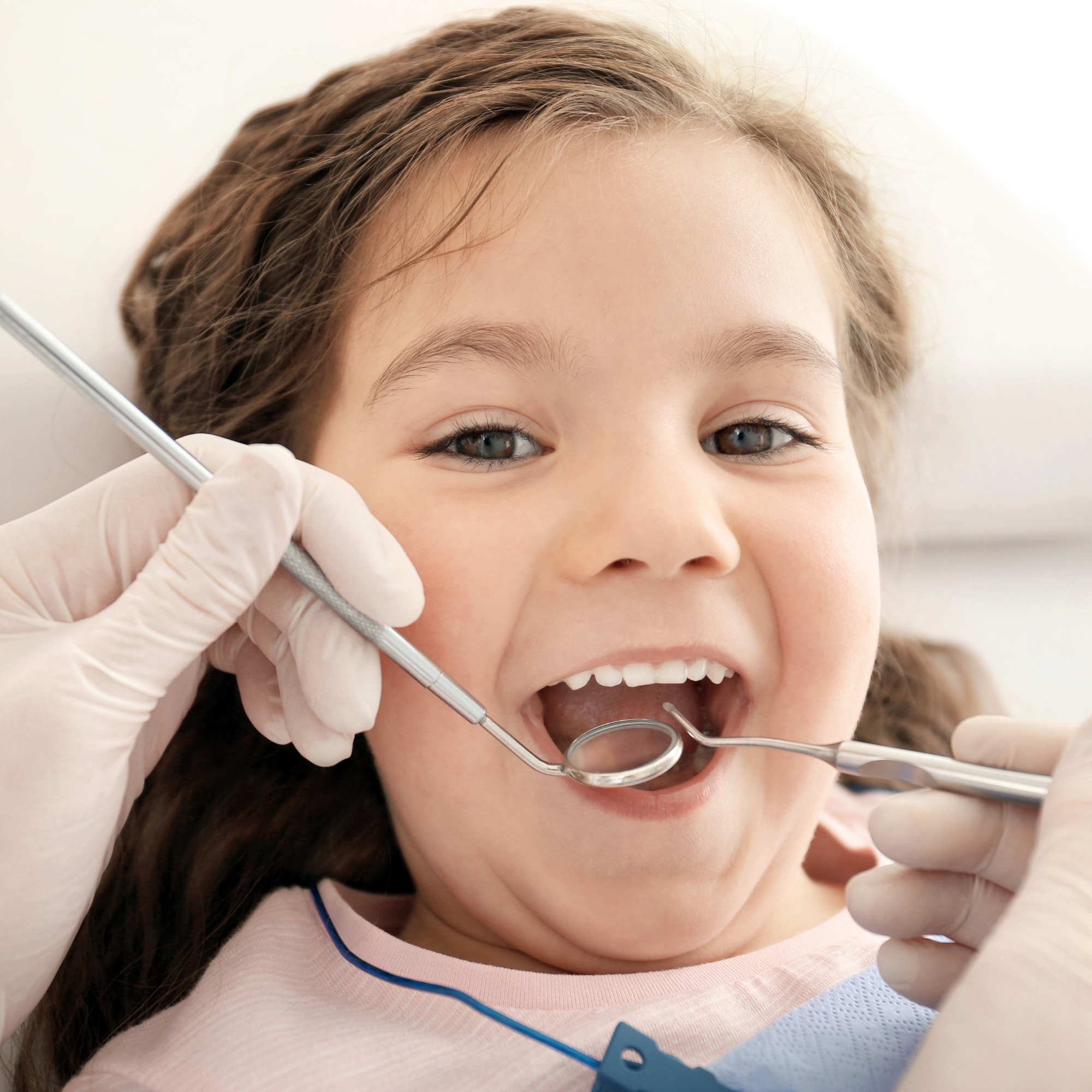
Do Baby Teeth Need Fillings?
If your child has a cavity, you might wonder whether it's really worth treating a tooth that's just going to fall out anyway. It's a fair question, and one we hear from parents all the time. The short answer is yes, baby teeth often do need fillings, and here's why it matters more than most people realize.
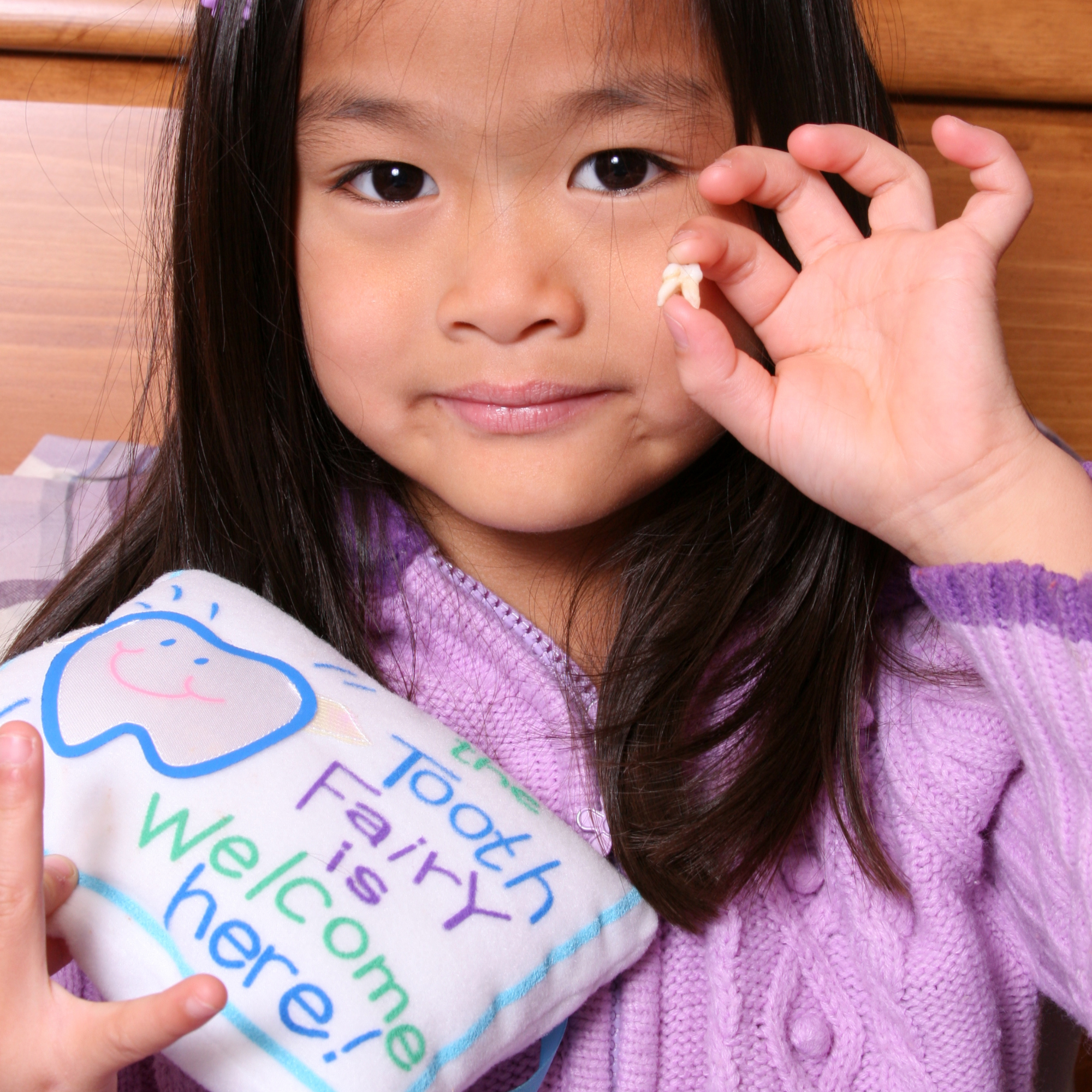
All About the Tooth Fairy
Losing a tooth is one of the most exciting milestones of childhood. For many kids, it also means a visit from the Tooth Fairy. While every family celebrates this tradition a little differently, the Tooth Fairy is a fun way to turn a normal part of growing up into something magical and memorable.

Should You Be Flossing Your Toddler’s Teeth?
Many parents know brushing is important, but flossing a toddler’s teeth often raises questions. Do toddlers really need flossing? The short answer is yes. If your toddler has teeth that touch, it is time to start flossing. Flossing helps protect those tiny teeth from cavities in places a toothbrush simply cannot reach.
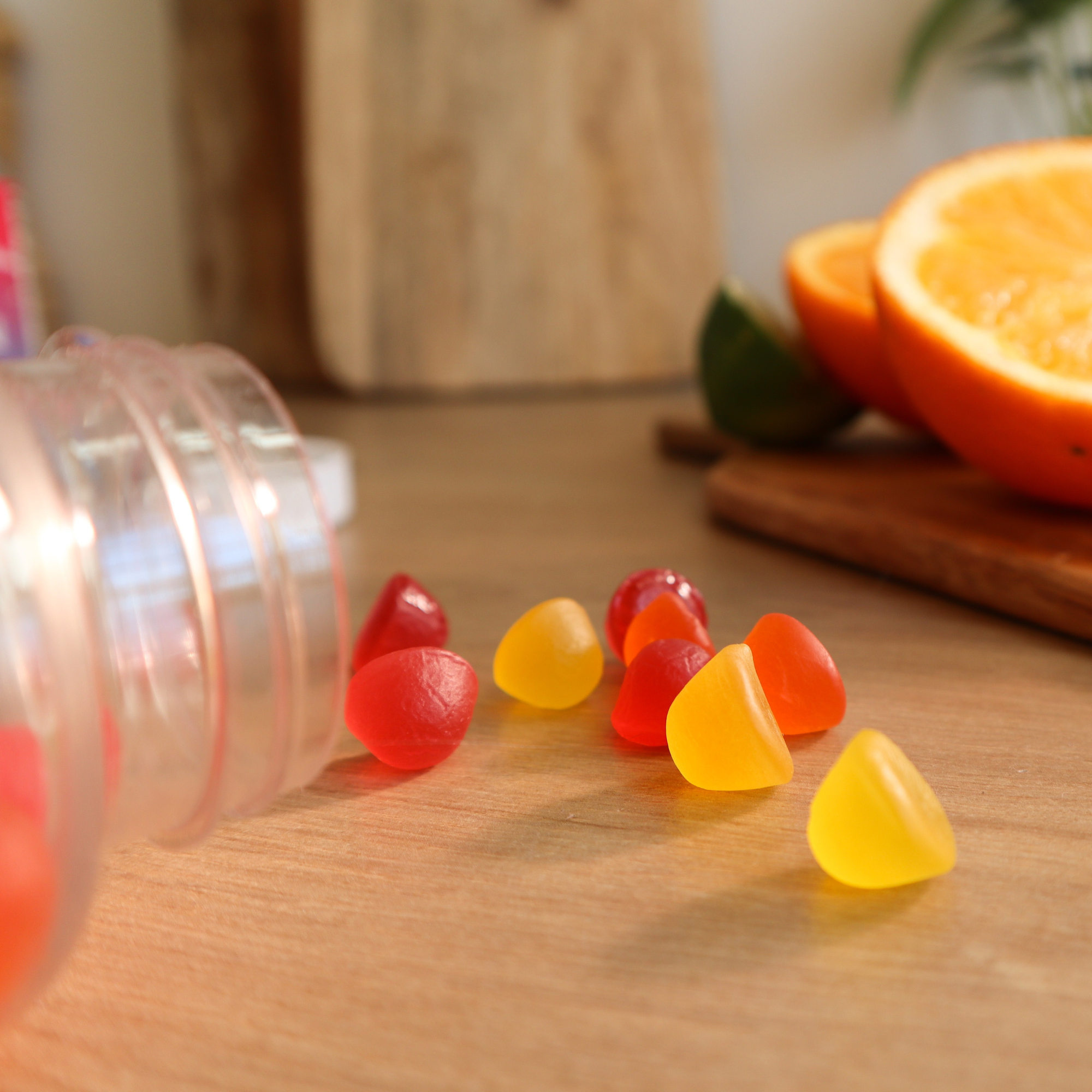
Gummy Vitamins and Your Child’s Teeth: What Parents Should Know
Gummy vitamins are popular with kids because they taste sweet and feel like a treat. Many parents choose them because they are easy to give and children are more likely to take them without resistance. While gummy vitamins can support nutrition, they are not always the best choice for your child’s teeth. Understanding why can help you protect your child’s smile.

How to Turn Valentine’s Day Into a Smile-Friendly Celebration
Valentine’s Day is all about showing love, and that includes loving your child’s smile. While candy hearts and chocolate boxes are part of the fun, they do not have to take over the celebration. With a few thoughtful swaps, you can keep the sweetness of the holiday while protecting little teeth at the same time.
National Children’s Dental Health Month: Dental Tips for Every Age
National Children’s Dental Health Month is a great reminder that healthy smiles start early and grow along with your child. From babies to teens, each stage of childhood comes with different dental needs. Understanding what to focus on at each age helps parents build strong habits that last a lifetime.

Frenectomies and Their Impact on Breastfeeding Success
Breastfeeding does not always come easily, and many parents experience challenges such as painful feeds, poor latch, or concerns about weight gain. In some cases, these difficulties may be linked to oral restrictions called tongue ties or lip ties. When these ties interfere with feeding, a frenectomy may help support breastfeeding success.

How Pediatric Dentists Are Different Than General Dentists
Choosing the right dentist for your child is an important decision that can influence how they feel about dental care for years to come. While general dentists are trained to care for patients of all ages, pediatric dentists focus exclusively on children. This specialized approach is designed to support growing smiles, build confidence, and create positive dental experiences from the very beginning.

Meet Dr. Rawan Sarsour
At All About Kids Pediatric Dentistry, we believe great dental care starts with trust, comfort, and genuine connection. That is exactly what families experience when they meet Dr. Rawan Sarsour, known to her patients simply as Dr. Rawan.

Why Some Kids Get Cavities Even When They Brush
It can be frustrating and confusing for parents to hear that their child has a cavity—especially when they brush their teeth every day. Many families assume cavities only happen when brushing is skipped, but the truth is that brushing alone does not always prevent tooth decay. Several factors work together to affect a child’s risk for cavities.
Here’s why some kids still get cavities even when brushing is part of their daily routine.

A Parent’s End-of-Year Dental Checklist for Kids
As the year wraps up, it’s a great time for parents to take a quick look at their child’s dental health. Busy schedules and holiday routines can make it easy for dental care to slip, but a simple end-of-year check can help keep your child’s smile on track.
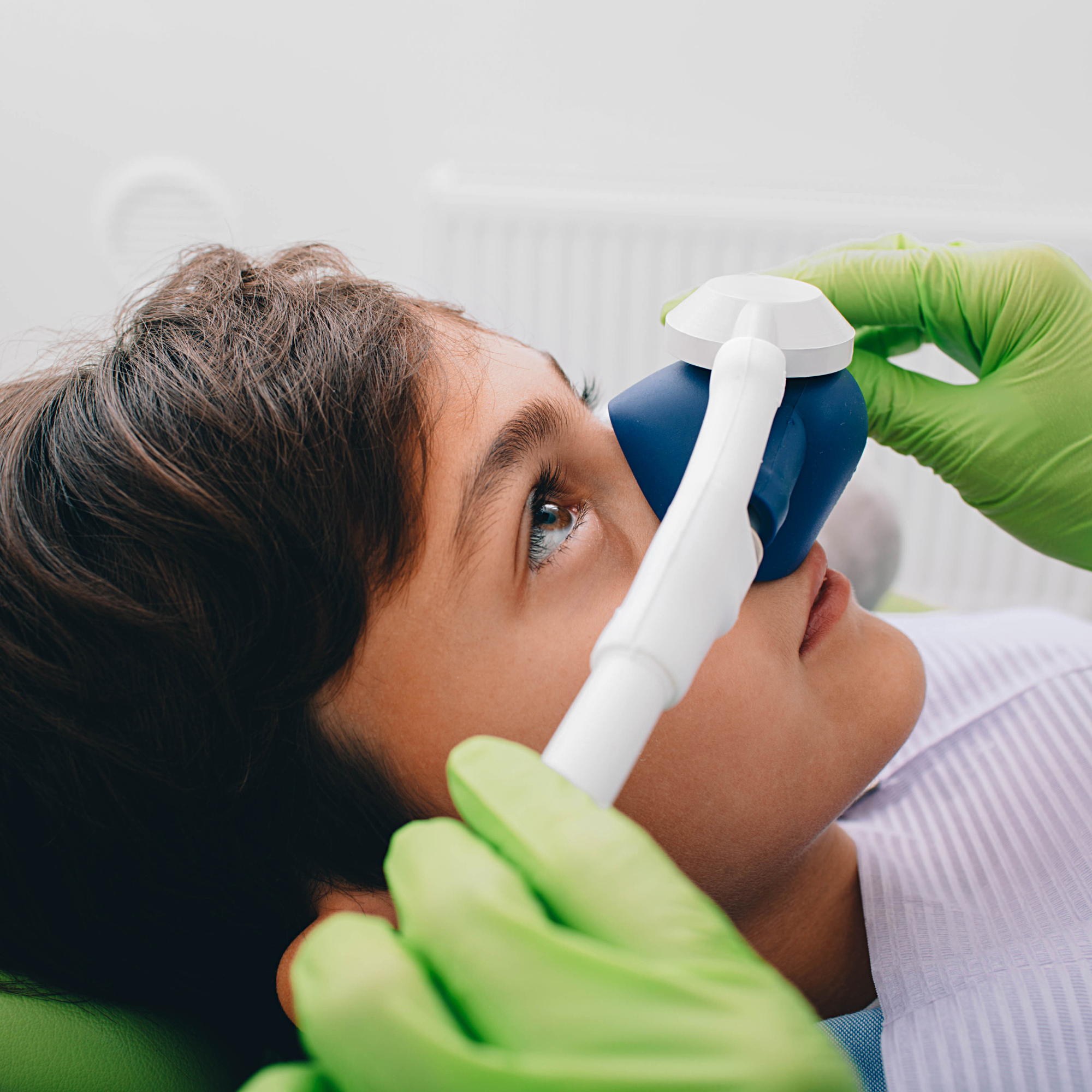
Is Sedation Dentistry Safe for Children?
For many parents, the idea of sedation dentistry can raise questions and concerns. Is it safe? Why would a child need it? Is it always necessary? Sedation dentistry is commonly used in pediatric dental care and, when recommended appropriately, it can be a safe and helpful option for certain children. Understanding what sedation dentistry is and why it may be used can help parents feel more confident and informed.

How a Lip Tie Can Affect Babies and Toddlers
Many parents hear the term “lip tie” for the first time when their baby is having trouble feeding or gaining weight. Others may not notice a problem until their child is older and experiencing speech, dental, or oral health concerns. Understanding what a lip tie is and how it can affect babies and toddlers can help parents know when to seek guidance.
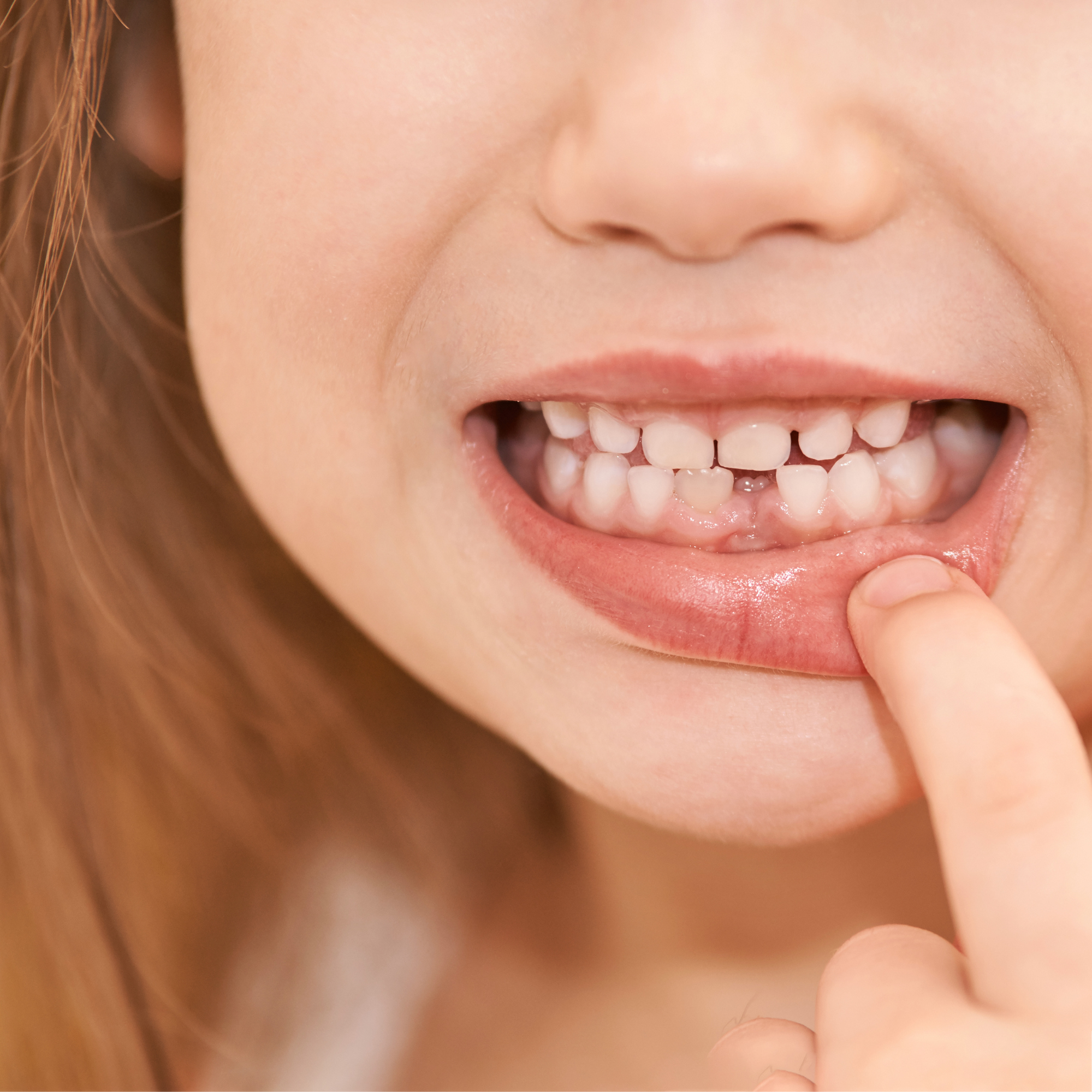
A Parent’s Guide to Losing Baby Teeth and Growing Permanent Teeth
Losing teeth is an exciting milestone for kids and a big moment for families. While every child develops at their own pace, there is a general timeline for when baby teeth fall out and when permanent teeth come in. Understanding what is normal can help you support your child through each stage with confidence.

How to Talk to Your Child About Cavities Without Fear or Shame
Hearing that your child has a cavity can feel discouraging, and it’s normal for parents to wonder how to bring it up without causing fear, stress, or embarrassment. Kids are sensitive to tone, body language, and the words adults choose, so the way you explain cavities can make a big difference in how they feel about dental care moving forward. The goal is to help your child understand what cavities are, how to treat them, and how to prevent new ones (without fear or shame).

Why Your Child Gets Bad Breath
Bad breath can happen to anyone—including kids. But when it becomes frequent or noticeable, parents often start to worry. The good news is that most causes of bad breath in children are simple, common, and easy to fix once you know what’s going on. Here’s a look at why bad breath happens and what you can do to help your child keep their mouth feeling fresh.
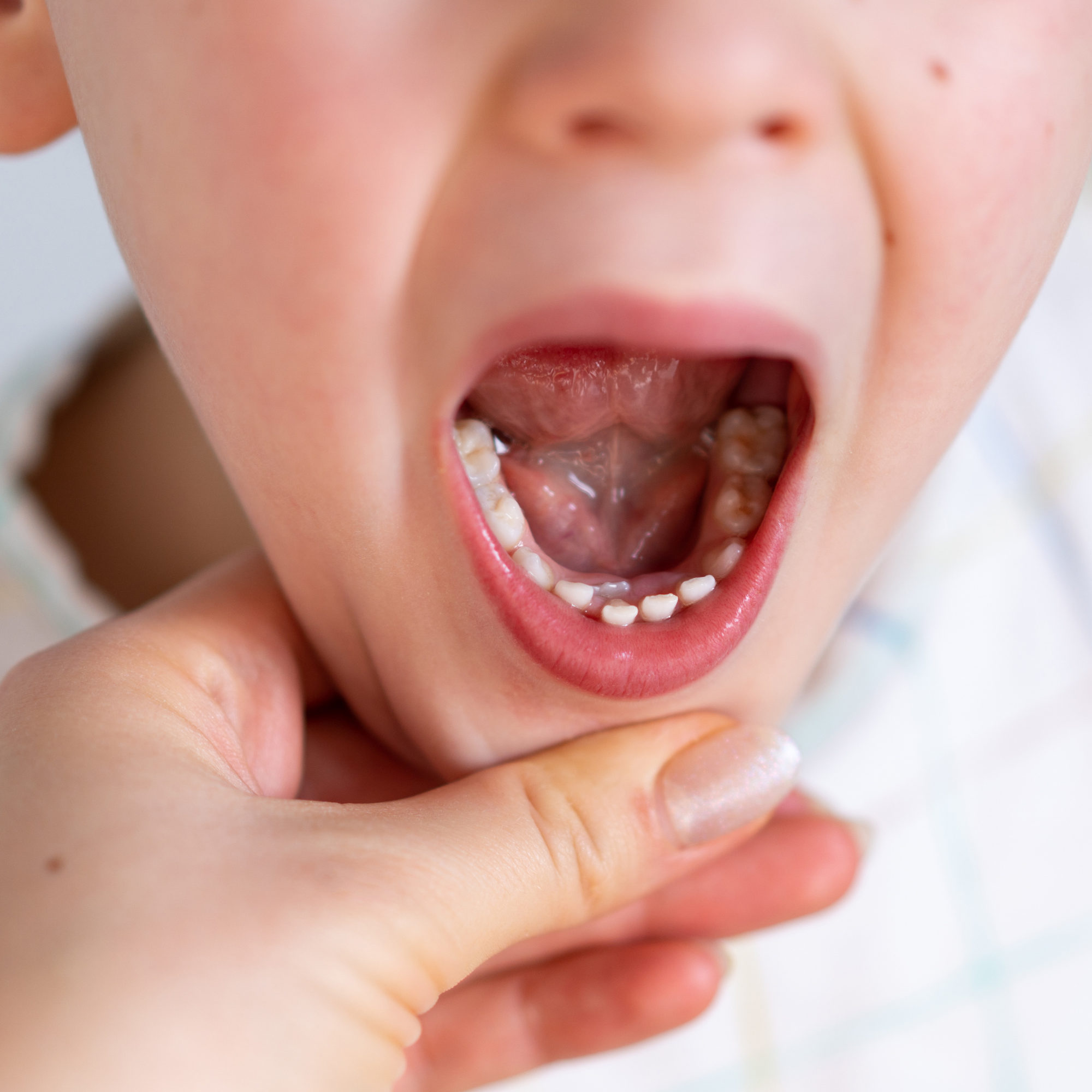
Why Some Kids’ Permanent Teeth Look Crooked at First (And When It’s Normal)
If your child’s permanent teeth are starting to come in and they look a little crooked, uneven, or crowded—you’re not alone. Many parents worry when those first “grown-up teeth” don’t look perfectly straight. The truth is, a little crookedness in the early stages is extremely common. In many cases, it’s a normal part of development as your child transitions from baby teeth to permanent teeth. Here’s why it happens and what parents should watch for.

Habits That Harm Little Teeth
Kids pick up all sorts of habits as they grow—and while many are harmless, some can quietly damage their teeth over time. Nail biting, chewing on pencils, and even using teeth to open things may seem like small behaviors, but they can lead to bigger dental problems down the road. Here’s what parents should know about these common habits, how they affect your child’s teeth, and what you can do to help break them.